Alternative title: maybe pride means something to me but I don't want this link to be so long.
If you follow my blog, you remember how I felt about Pride Month and how it felt so alien to me as a Russian immigrant, how it was about grievances over celebration that we're still alive. Well, now I'm medicated and live in a country where Pride events actually exist. So there lies the question…
Did I Change My Opinion on Things?
Here's what I wrote before attending:
20th of June is when most of Pride events happen in Moldova and I think I will find it quite good. What I expect from Pride is that it's a day when you see that you're not really alone and you shouldn't give up. Something about physical of presence of others calms me. It's like the time when I was at protests at Tbilisi, I felt quite good there because there was an enormous amount of people with the same goal and ideals.
I still don't like that Pride Month is mostly centered around a US history, even if it's celebrated worldwide mainly because of said history. As I mentioned in last post about Pride, Russia had still been with "no homo" law even after the Stonewall events until the said law was lifted. I didn't mention, however, that the queer scene in Russia existed at least since the Russian Empire. And that there was a small time frame when homosexuality after October Revolution until Stalin (1917–1933) was decriminalized, which lifted censorship in publishing queer artwork (not without caveats though). All of these nuances are available to read on wiki. I'm pretty sure Moldova has it's own history too.
Here are my thoughts after attending:
Soooo… First things first, I'm glad that there was an artist market and no corporate merch, I bought a pretty gay man bracelet. I, not gonna lie, wanted to see furry merch too, but nothing was found because furry scene is nonexistent in Moldova, sigh. The place itself sucked for my neurodivergent brain, it was a small place with a huge amount of people and I don't handle loud crowds well. And it was also HOT AS HELL. I anticipated to feel more aligned with people there and have the celebratory feeling, but instead I felt like a wallflower at the lame party. Sad! But that's not important because…
I Got Married (Unofficially)
Yup, that's right! I'm officially married to Sheila, my old close friend, partner, and now my husband! That's probably the only greatest thing ever at this event, LOL. I'm very happy that I got to marry this dork, I didn't expect it to happen so soon (I'm 23). You can see the marriage footage bellow
Me marrying @sheilalieber.at.app.wafrn.net today at Moldova Pride 2026 :] #irl #pride
— mem 🐕🏳️⚧️ (@vv0ltz.neocities.org) 20:37 · Jun 20, 2026
[image or embed]
The marriage is unofficial because in Moldova same sex marriage is still not legal. There are overall a lot of misconceptions about queer people in governmental structures which is why we still struggle with getting a refugee status – because they think we're not in danger and because trans people don't exist to them. For further reading check blog post "Until You're Gone, Don't Come".
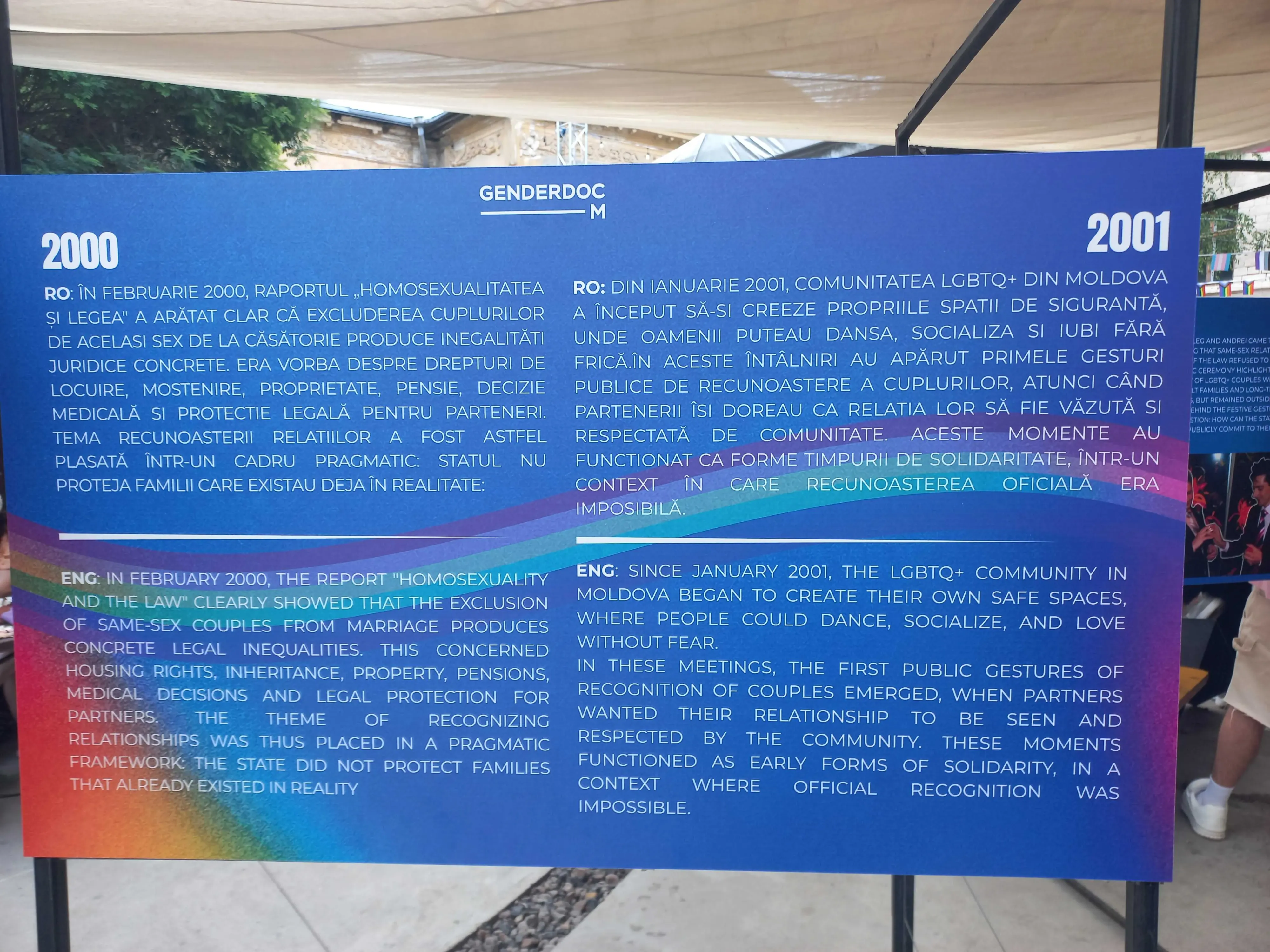
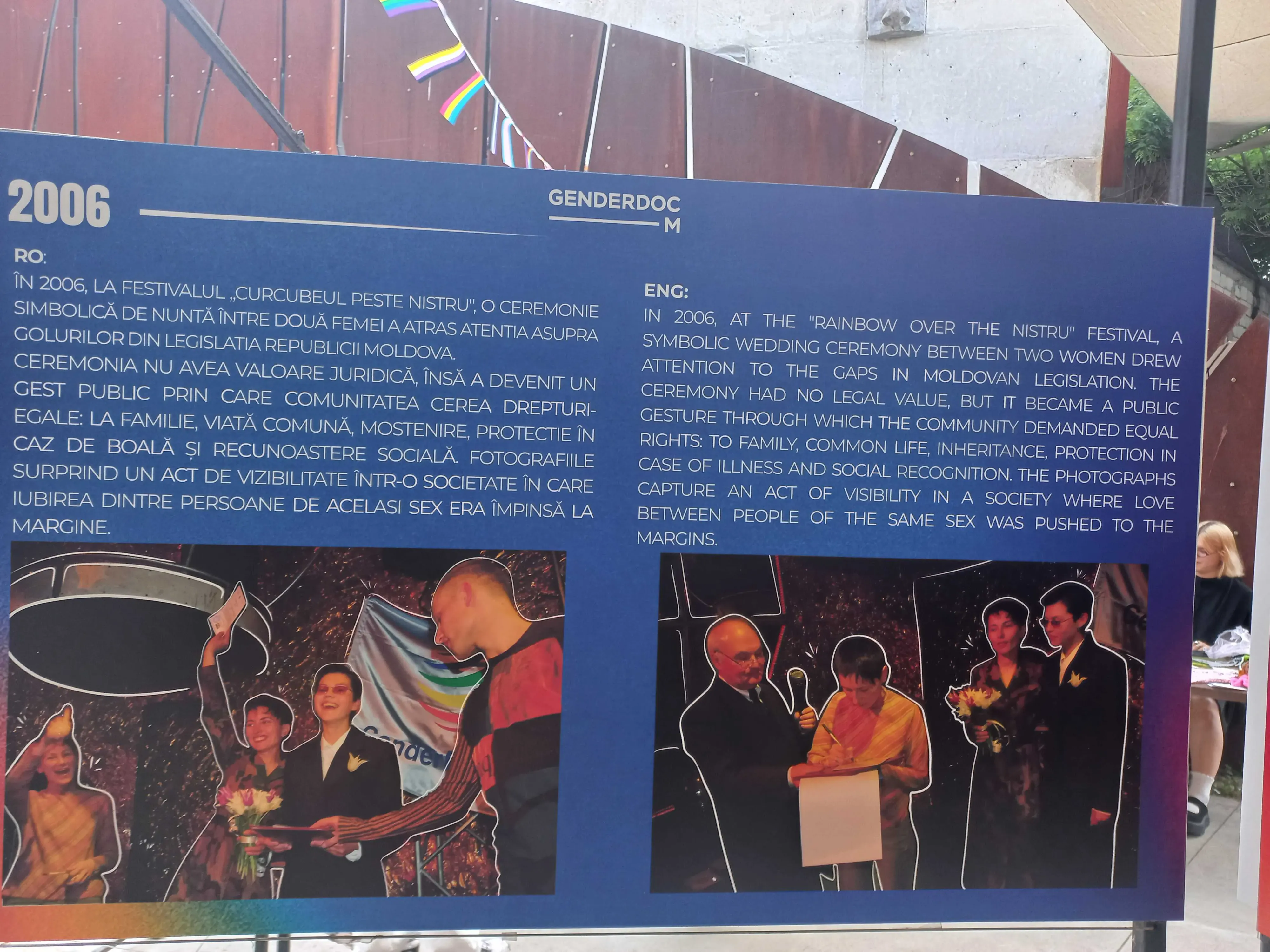
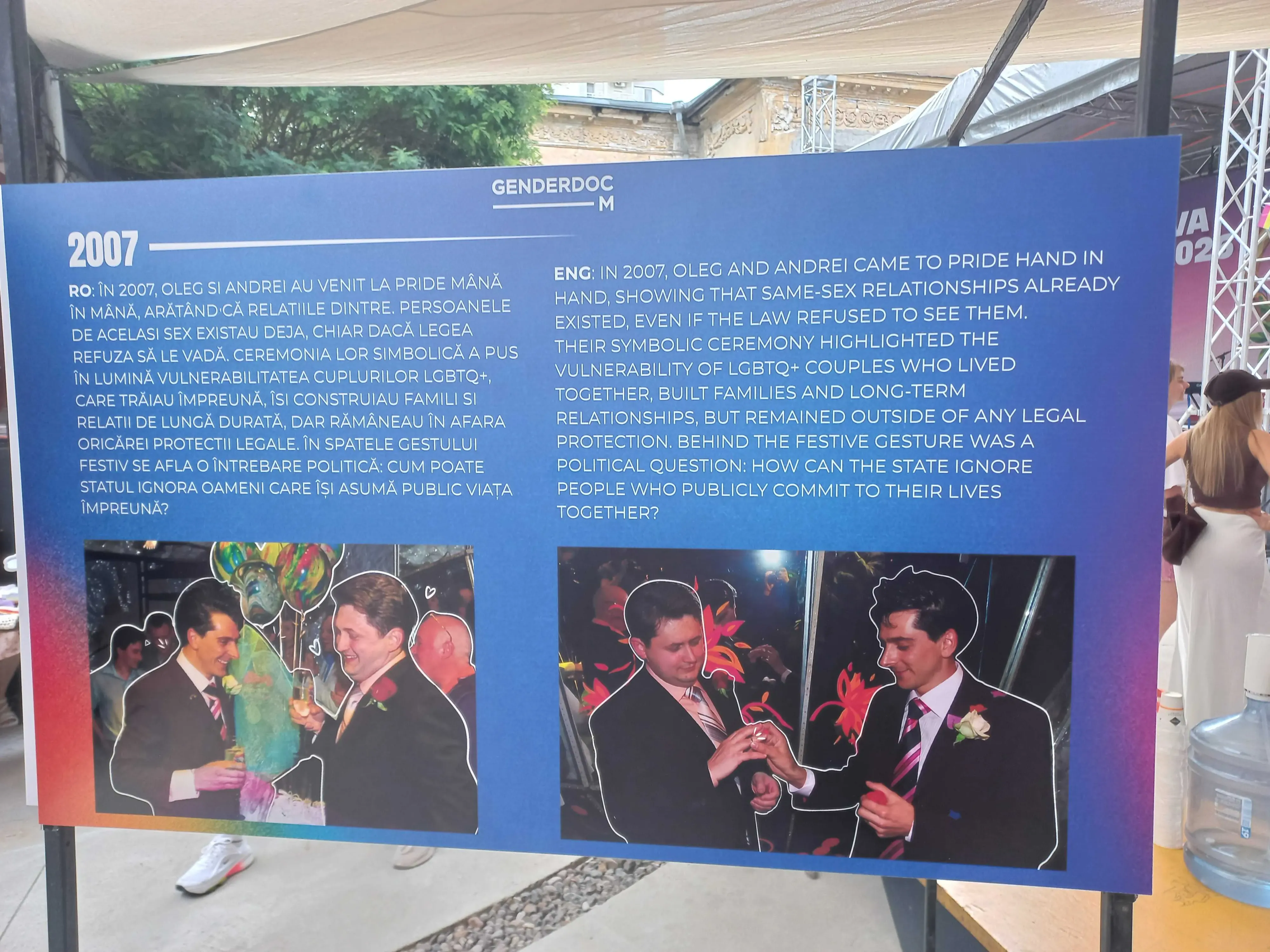
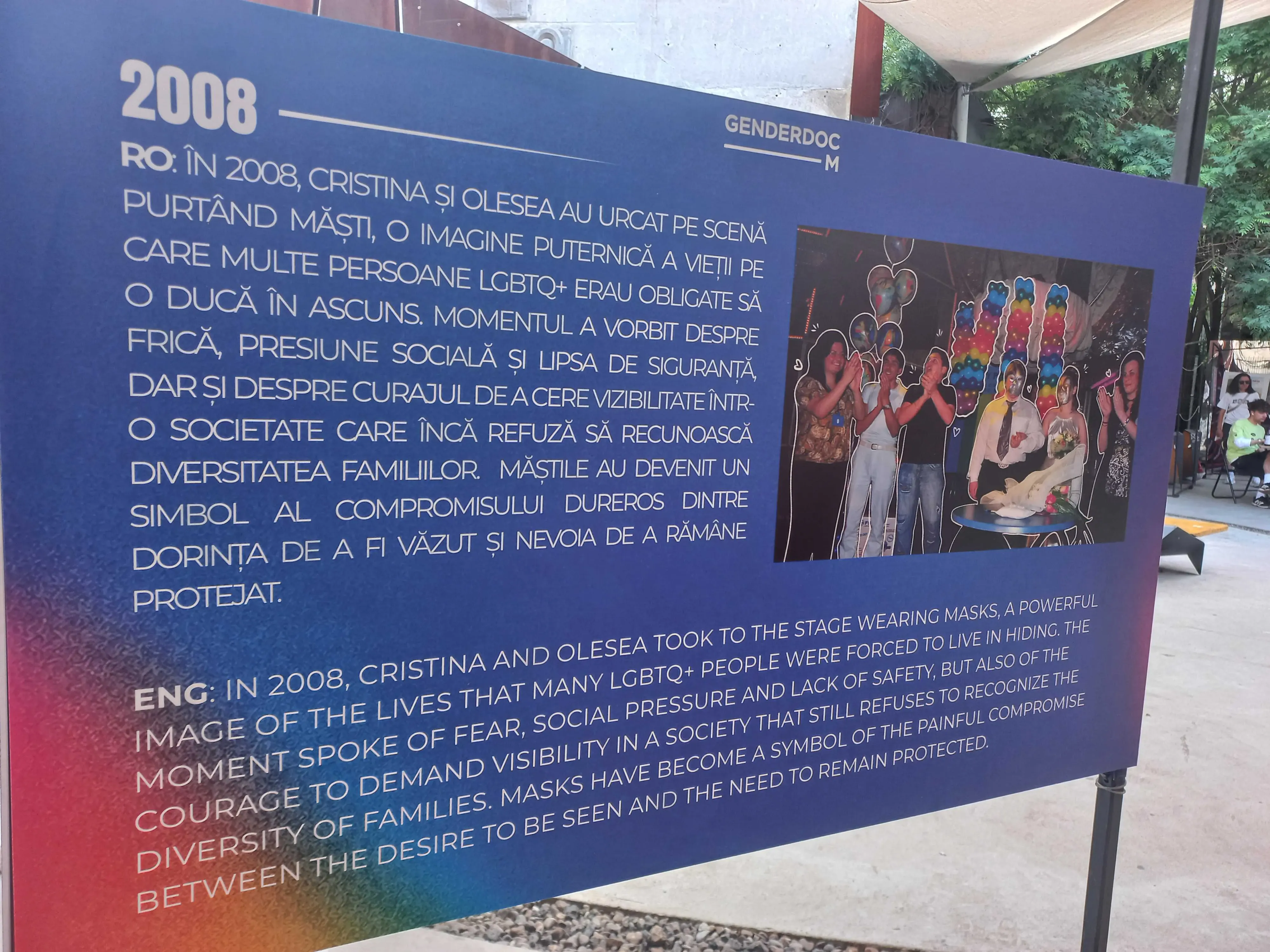
Some Queer Moldova History
I liked the boards that specifically mention Moldovan history about same sex marriage, here they are below

Conclusion
So yeah, I had high expectations about attending Pride being something revolutionary to my mind, but that turned out to be a boring party. Well, to me. I dunno, I like spending time with my family or alone instead of big events, I guess, so my honest reaction is "meh". I appreciate that it exists though.